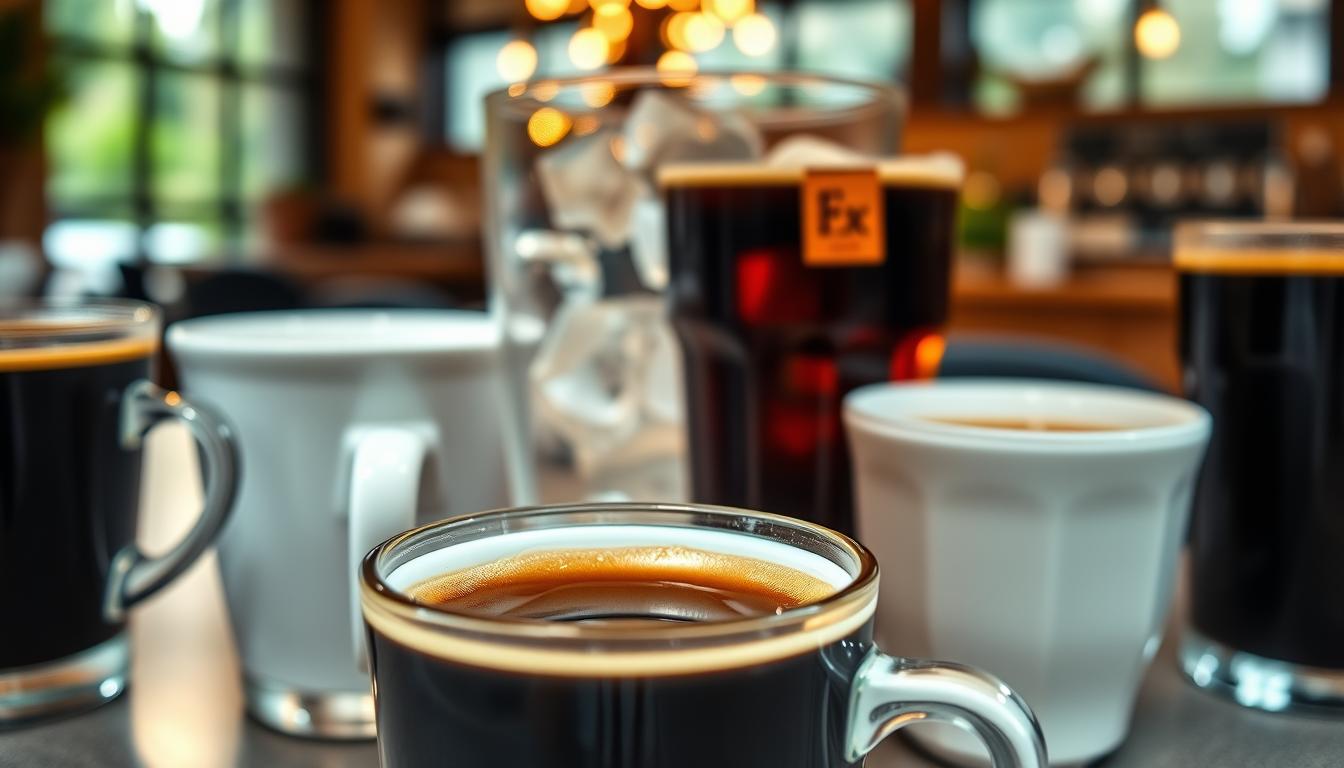
what coffee has the most caffeine
This short buyer’s guide helps you pick real-world drinks that pack the biggest kick. It focuses on what you actually sip, not just menu hype, and sets clear expectations about concentration versus total per cup.
Key levers you can control right away include beans, serving size, and brew recipe — dose, steep time, and water temperature matter. Robusta beans average about 2.2% caffeine by weight, roughly double Arabica at ~1.2%, so bean choice often beats roast level for caffeine content.
Roast is often misunderstood; dark versus light usually changes flavor more than caffeine. This guide previews practical comparisons: black drip, espresso, cold brew, and common espresso-based drinks, plus home-brew tips and label advice for U.S. shoppers when amounts are not listed.
Finally, watch totals across the day. Larger cups and extra shots push intake fast, so I’ll include a brief safety note and simple rules to keep consumption sensible.
What coffee has the most caffeine?
To find the biggest kick, compare bean type, brew strength, and how much liquid arrives in your cup.
The highest picks by category
Start with robusta-forward blends, then look at espresso-ground options, and finally hybrids that stack brewed plus shots. Robusta averages about 2.2% caffeine by weight versus Arabica at ~1.2%, so bean choice matters more than roast for stimulant totals.
Espresso is very concentrated (roughly 50–65 mg per ounce), but a full mug can still supply more total stimulant because of volume. A Red Eye—regular brewed plus at least one shot—can reach 160 mg or higher depending on shot count.
Quick buyer checklist
- Verify ounces in the cup or mug.
- Count espresso shots when present.
- Ask if the recipe uses a strong coffee-to-water ratio.
- Look for robusta or robusta-heavy blends on labels when shopping at a shop or store.
| Type | Typical amount | Why it ranks |
|---|---|---|
| Robusta blend | Higher per weight | More stimulant per bean weight |
| Espresso shot | 50–65 mg/oz | High concentration, small cup |
| Red Eye (8 oz) | ~160 mg+ | Stacked brewed plus shot |
Understanding caffeine content: the biggest factors that change your cup

Small choices in beans and brewing make a big difference in how strong your cup feels.
Coffee bean type: robusta versus arabica
Robusta beans run about 2.2% stimulant by weight, while arabica sits near 1.2%. That gap means a robusta-forward blend often supplies more energy per gram.
In practical terms, robusta is the workhorse for high-strength blends. Arabica tends to taste smoother but gives less stimulant per equal weight.
Roast myths: density, scoops, and scales
Roasting barely changes total stimulant, but it does change bean density. Light roast beans are denser, so a scoop of light roast can contain more mass than a scoop of dark roast.
If you measure by weight, roast differences shrink. Home brewers who use volume scoops often see surprising shifts in strength because the dose changes with roast level.
Brewing method and extraction basics
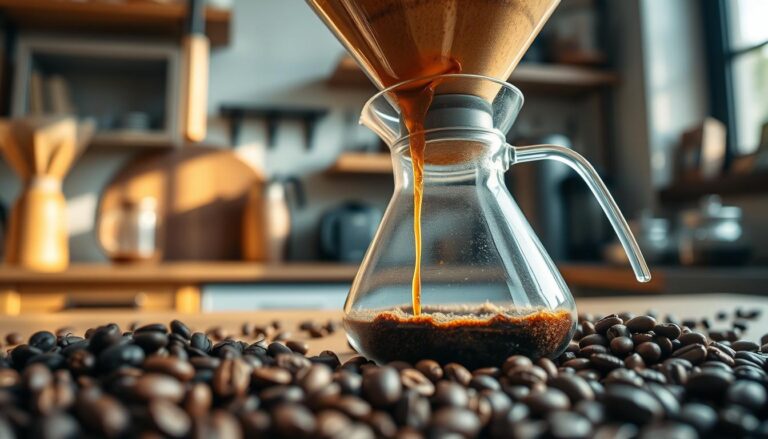
Extraction depends on water temperature, brew time, and coffee-to-water ratio. Aim for about 195–205°F for reliable extraction.
Longer contact time or a higher ratio pulls more stimulant and more bitter solubles. Two brewers using the same beans can end up with very different totals if brew variables differ.
- Primary factors: species, dose (weight vs scoop), and extraction variables.
- Control tip: weigh coffee, keep water near 200°F, and tweak ratio for desired strength.
| Factor | Typical effect | Practical note |
|---|---|---|
| Bean species | Biggest per-weight difference | Robusta > Arabica by ~2.2% vs ~1.2% |
| Roast/density | Alters scoop mass | Use a scale to normalize dosing |
| Extraction | Controls dissolved amount | 195–205°F, adjust time and ratio |
High-caffeine drinks ranked by real-world caffeine per serving
Below is a ranked look at popular high-strength drinks based on real-world per-serving totals.
Black coffee vs espresso: concentration versus total amount
Espresso is far stronger ounce-for-ounce, roughly 50–65 mg per ounce. A 2-ounce shot often lands near 80 mg.
By contrast, a full mug of black coffee usually wins on total stimulant because volume is larger. Measure ounces and shot counts to compare like-for-like servings.
Cold brew and nitro coffee: why they can hit harder
Cold brew and nitro coffee can be brewed as concentrates or with a higher ratio. Shops also serve larger cups, so total mg per serving often climbs.
Ask about concentrate strength or whether the server dilutes with water to estimate amount caffeine.
Espresso-based drinks: quick comparison
Common espresso drinks differ mainly by shots and size. Two shots often produce ~80–100 mg in mid-size servings.
| Drink | Typical serving | Approx. mg | Why it ranks |
|---|---|---|---|
| Drip mug (8–12 oz) | 8–12 oz | 95–175 mg | Large volume offsets lower concentration |
| Espresso (2 oz) | 2 oz | ~80 mg | High concentration per ounce |
| Latte / Americano (12 oz) | 12 oz | 80–150 mg | Depends on shot count and cup size |
| Red Eye (8 oz + shot) | 8 oz | 160 mg+ | Stacked brewed plus an espresso shot |
| Instant vs ground | 8 oz | Varies; often lower | Instant often uses robusta but may test lower per prepared cup |
Instant coffee versus ground coffee
Many instant blends include robusta, yet prepared servings sometimes test lower than brewed ground coffee. Packet recipes and dilution matter more than bean type alone.
Brewing method showdowns: which brew style pulls the most caffeine
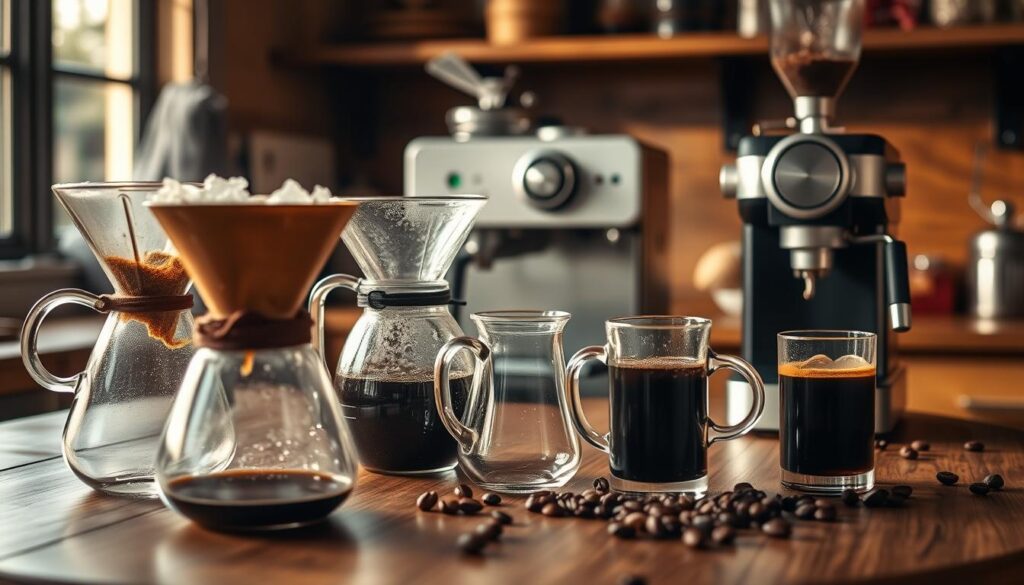
Your chosen brew routine often decides how strong an eight-ounce serving will be.
Drip, pour-over, and French press: typical ranges and why they move
Drip and pour-over usually land near 95 mg per 8 oz when using common ratios. They extract similarly because both use a paper filter and comparable dose.
French press ranges about 80–100 mg per 8 oz. Immersion boosts body and extraction, so steep time and coarse grounds matter.
Moka pot and Aeropress: strong cups and variable results
Moka pot often gives a strong cup in many recipes, roughly 120–140 mg per 8 oz. It pushes hotter pressure-like extraction without true espresso pressure.
Aeropress can swing from 70–100 mg per 8 oz. Recipe choices, dilution, and plunge speed change results, so it’s ideal for dialing in strength.
- Key levers: grind, water temp (195–205°F), brew time, and ratio.
- More grounds per water increases stimulant but risks bitterness.
- Adjust time or temp in small steps and taste as you go.
| Method | Typical 8‑oz range | Main variable |
|---|---|---|
| Drip / Pour-over | ~95 mg | Ratio and grind |
| French press | 80–100 mg | Steep time |
| Moka pot | 120–140 mg | Heat and dose |
Shopping in the United States: how to choose high-caffeine coffee beans and grounds
A smarter grocery run uses quick label checks and recent lab data to favor stronger blends.
Look first for robusta or robusta‑forward blends on packaging. Bags labeled “espresso ground” often aim for higher extractable stimulant per shot or cup. Origin notes that mention lowland robusta regions can also be a clue.
Label-reading shortcuts when content isn’t printed
Scan for terms like “espresso,” “bold,” or explicit robusta mention. If only roast level is shown, don’t assume darker equals higher energy; roast mostly affects flavor and density, not raw stimulant by weight.
Brand variation and how switching can change your day
Independent testing shows big swings between brands. Consumer Reports (Nov. 2025) found ground options varied widely, with Café Bustelo Espresso Ground Coffee testing among the highest.
Instant types often contain robusta but may still yield less per prepared cup due to formulation and dilution. Takeout sizes can exceed daily intake guidelines, so check posted estimates when available.
| Shopping tip | Why it matters | Action |
|---|---|---|
| Look for robusta/espresso ground | Higher stimulant per weight in many blends | Prefer labeled robusta or espresso ground packs |
| Favor ground over instant for at‑home control | Ground lets you adjust dose and ratio | Weigh dose and brew stronger if desired |
| Expect brand variation | Different mills and recipes change results | Switch gradually and track effects |
Note on decaf: labeled decaf still contains small amounts of stimulant. If you must avoid stimulant entirely, decaf is lower but not zero.
Getting the caffeine you want without overdoing it
Control intake by matching serving size and brew strength to your daily tolerance.
Pick an amount that keeps you below about 400 mg per day and track servings. Upsizing or adding a shot can move someone from fine to over limit fast.
Use simple pacing: set a cutoff time, space high-strength servings, and prefer smaller cups if you drink often. Reduce shots or swap one drink to decaf to lower totals while keeping ritual and flavor.
Roast level (dark or light) matters less than dose and brewing method. For quick reference on real-world numbers, see this list of caffeinated drinks ranked.
Adjust by dose or serving first, stay hydrated with water, and choose what fits your sleep and comfort levels.