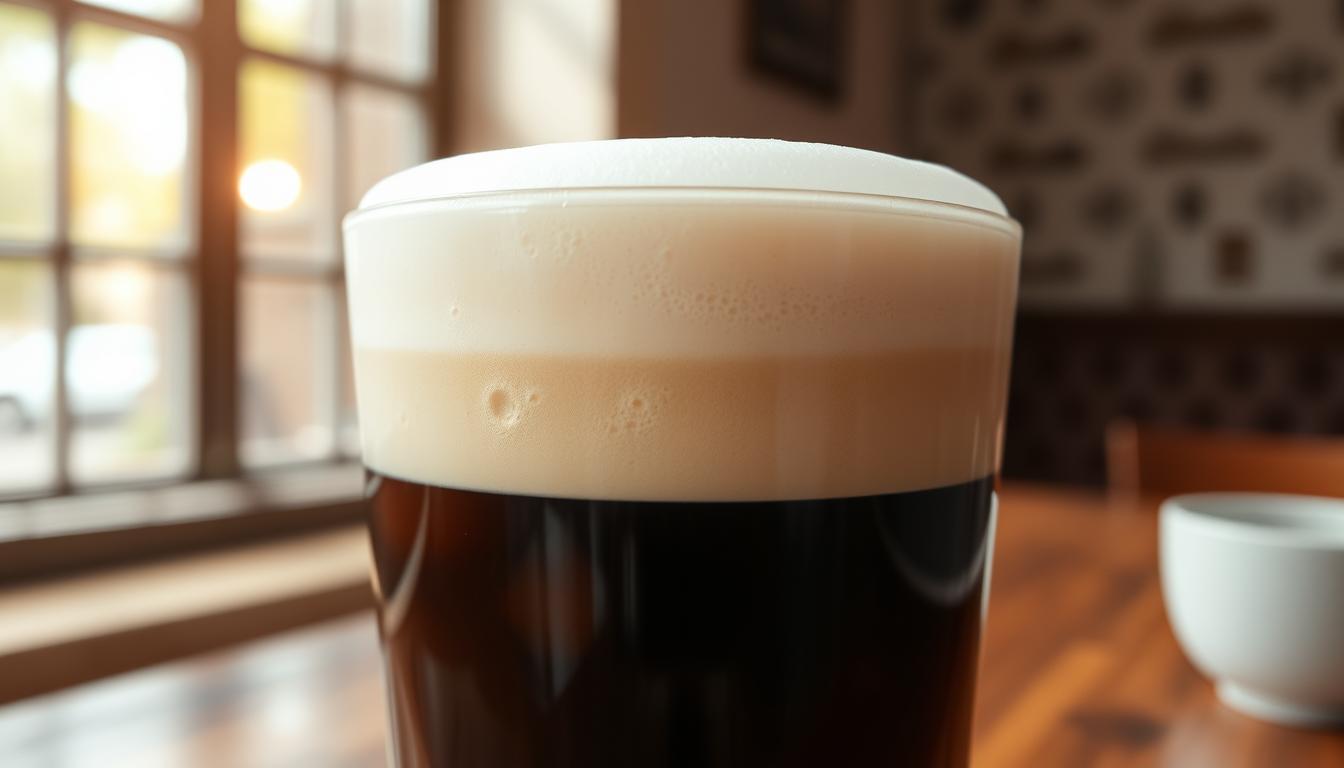
how to make cold foam for coffee
This short guide shows how to make café-style cold foam at home in minutes. You will learn simple steps that lift iced coffee, cold brew, and other drinks with a silky, pourable topping.
Expect a thick layer that sits briefly on top, then melts into the cup for a creamy sip. Texture matters: aim for small bubbles and a velvety finish, not stiff whipped cream.
We preview four easy methods: mason jar, handheld frother, French press, and blender. Pick the tool you own and follow timing cues for best results.
Milk choice changes volume, stability, and richness. Dairy and non-dairy options are covered, with tips on sweeteners and flavor if you want a coffeehouse-style sweet cream cold foam.
This section promises quick guidance, a simple recipe, and fast troubleshooting for big bubbles, separation, or thin foam. Make it your way and enjoy richer coffee drinks at home.
What cold foam is and why it works on coffee drinks
Think of cold foam as a light, pourable layer made from chilled milk and tiny bubbles. It sits on top of an iced cup, then slowly blends down for a creamy finish. The result is a soft aroma at the surface and a sweeter first sip that balances bitter notes below.
Cold foam vs whipped cream and steamed milk
Cold foam is less aerated than whipped cream. Whipped cream holds peaks and feels heavy. Cold foam pours easily and never becomes stiff.
Steamed milk foam forms with heat and protein changes. That creates a cappuccino cap. Cold aeration produces micro-bubbles without warming the drink.
The texture goal: thick, velvety, and pourable
Aim for a dense, velvety texture with tiny bubbles you can barely see. The layer should be thick enough to float briefly, yet pourable so it melts into coffee drinks.
- Silky micro-bubbles rather than large air pockets
- Light sweetness up front, creamy balance in each sip
- Sweet cream (cream + milk + vanilla) works as a flavored base that froths into a richer topping
Ingredients for a simple cold foam recipe
Start with a tight ingredient list and a simple ratio for repeatable results. Use chilled dairy or cream, add a touch of sweetener, and a dash of vanilla for classic flavor.
Basic ratio
Single serve: about 1/3 cup milk or cream + 1 tsp simple syrup (optional) + 1/4 tsp vanilla extract (optional).
Sweeteners that blend best
Liquid sweeteners dissolve instantly. Simple syrup, maple syrup, and flavored syrup leave no grit and keep texture smooth.
Flavor boosters
Use vanilla extract for clean taste or vanilla bean paste for stronger, speckled appeal. Other smooth boosters: cinnamon, pumpkin spice, matcha, cocoa, or a drop of almond extract.
| Ingredient | Role | Best choice |
|---|---|---|
| Milk | Volume and micro-bubbles | Cold whole or low-fat milk |
| Cream | Richness and stability | Half-and-half or heavy cream blend |
| Simple syrup | Sweetness that blends | 1 tsp per 1/3 cup, adjust to taste |
| Vanilla | Primary flavor | Extract or vanilla bean paste |
Start small with sweetness. Taste and adjust because the topping sits on the surface and reads a bit sweeter. You can also keep the topping plain and add flavor directly into the drink if you prefer clearer flavors.
Best milk choices for cold foam at home
Different milks yield different textures — pick one based on richness or staying power. The main tradeoff is simple: more fat gives richer taste, while more protein (often in lower-fat options) creates taller, more stable foam.
Cream for the richest sweet cream-style topping
Cream produces the thickest, most indulgent sweet cream result. It feels dessert-like and still pours over iced drinks. Use heavy cream or half-and-half when you want decadence.
Skim and low-fat milk for maximum volume
Skim milk and 1% create high-volume, stable foam because protein concentration is higher per ounce. Choose skim when a floating cap and long hold matter most.
Whole milk and half-and-half as the middle ground
Whole milk and half-and-half balance creaminess and lift. They produce velvety texture without losing too much height — a great daily choice.
Non-dairy options: what to expect
Plant milks can froth but vary by brand. Soy or protein-enriched plant milks and many oat milks perform best. Expect less dense structure unless the product is fortified.
| Goal | Best pick | Why |
|---|---|---|
| Flavor/indulgence | Cream / half-and-half | Highest fat, richest mouthfeel |
| Height/stability | Skim / 1% milk | More protein, taller cap |
| Dairy-free | Soy or protein-enriched / oat | Best plant-based lift and creaminess |
How to make cold foam for coffee with a mason jar

A mason jar and quick, vigorous shakes are all you need for a silky, pourable topping at home. This zero-equipment option turns chilled milk or cream into a glossy cap without a frother.
Jar size, fill level, and shaking technique
Choose a jar roughly twice the liquid’s volume so there is room for aeration and increased volume. Add about 1/3 cup milk or cream, a teaspoon of simple syrup if desired, and a drop of vanilla.
Seal tightly and shake with short, fast motions. Use your shoulders, not just the wrists, for steady power. Keep the motion brisk and even for best micro-bubbles.
Timing, bubble fixes, and readiness cues
Shake about 45 seconds or until the mixture roughly doubles in volume and looks glossy. If big bubbles form, tap the jar bottom on the counter two or three times to pop them.
You’ll know it’s ready when the topping pours in a thick stream and sits briefly on iced drinks instead of splashing. For a quick shortcut, a nearly empty milk carton with a tight cap works the same way.
| Step | Action | Result |
|---|---|---|
| Jar choice | Use a jar ~2x liquid volume | More headspace for greater aeration and volume |
| Shake time | ~45 seconds (watch for doubled volume) | Glossy, pourable topping with micro-bubbles |
| Bubble fix | Tap jar on counter to pop large bubbles | Smoother surface and better pour |
For a step-by-step zero-equipment guide, see this mason jar method at cold foam without a frother.
How to make cold foam with a handheld milk frother
A small electric frothing wand can turn chilled milk into a silky topping almost instantly. This method is fast, low-mess, and ideal when you want a reliable pourable cap.
Best container shape and frothing angle
Use a tall, narrow glass or jar. The shape creates a vortex and keeps splatter down.
Start with the whisk near the surface to pull in air. After a few seconds, lower the wand slightly to tighten the bubbles and smooth the texture.
Timing guide for fluffy results in seconds
Froth for about 20–30 seconds. Watch for thicker texture and roughly doubled volume.
Stop before the topping gets stiff. It should still pour; if it holds peaks, you went too far.
- Pour iced drink first so you can crown it immediately.
- Add vanilla or syrup at the start if you want flavored topping.
- Countertop frother cups work, but a handheld wand cleans faster and stores easier.
| Tool | Ideal time (seconds) | Notes |
|---|---|---|
| Handheld wand | 20–30 | Quick, easy cleanup; best for single servings |
| Countertop frother cup | 25–35 | Good for small batches; slightly thicker texture |
| Small blender | 15–25 | Fast but can over-whip; use short bursts |
How to make cold foam in a French press
A French press can double as a quick frothing tool when you need a thick, silky topping fast.
The mesh filter forces air through chilled milk, creating tiny, even bubbles. That action produces a smooth, cohesive foam that pours and sits briefly on drinks.
Plunging technique and batch notes
Use cold milk and pour the measured liquid into the press. Plunge up and down with steady strokes. Aim for about 40 pumps; watch the texture and stop when it thickens and holds.
If the liquid sits below the screen, aeration will be poor. Either use a smaller press or double the batch so the plunger meets the liquid and the device can build volume.
- Why it works: mesh filter creates rapid aeration and uniform bubbles.
- Actionable cue: steady plunges, roughly 40 pumps for single-batch readiness.
- Best use: two servings or brunch batches without extra gadgets.
- Tip: if you brew cold brew in the same press, it becomes a handy dual-purpose tool.
| Press size | Liquid amount | Expected time |
|---|---|---|
| Small (12 oz) | 6–8 oz | ~40 pumps |
| Medium (34 oz) | 12–16 oz (double batch) | ~40–60 pumps |
| Large (51 oz) | Use double portions | Longer, watch texture |
Sweet cream cold blends—cream plus milk and vanilla syrup—froths especially well in a press when done at sufficient volume.
How to make cold foam in a blender or smoothie blender
A small blender can churn chilled milk into a light, pourable topping in about 30–60 seconds. Use a compact smoothie cup or NutriBullet for single servings; less headspace helps the motor pull air through the liquid efficiently.
Blending time for airy topping without over-whipping
Blend on medium-high and watch the texture. Stop at roughly 30–60 seconds when the mixture lightens in color and a foamy layer appears on top. The center should look slightly thicker than the edges.
Sound cues help: the motor will strain less as air builds. Blend last and pour immediately for the best head and texture.
When an immersion blender helps and when it doesn’t
An immersion blender is handy in a narrow jar or cup you already own. It can whip quickly, but expect larger bubbles and a looser result than a whisk-style frother.
Workaround: keep the head submerged and move it gently near the surface, adding small bursts of air without splashing. Use an immersion when making one cup, or choose a countertop blender for larger batches or when you’re already preparing a blended brew.
| Tool | Best use | Result |
|---|---|---|
| Small blender | Single servings, quick batches | Even micro-bubbles, stable foam |
| Immersion blender | Narrow jars, quick touch-ups | Faster but larger bubbles, runnier foam |
| Large blender | Multiple servings | Bigger batches, monitor time to avoid over-whip |
Sweet cream cold foam (Starbucks-style) you can make at home

Sweet cream starts as a simple vanilla-sweetened dairy blend and becomes a glossy topping after light aeration. This mixture acts like a flavored creamer until you whisk or froth it, then it turns into sweet cream cold foam that floats briefly and pours smoothly.
What sweet cream is and how it transforms
It’s cream plus milk and vanilla syrup. The syrup adds both sugar and vanilla flavor, so the base tastes like the coffeehouse version.
A quick whirl with a frother, jar, or press traps tiny bubbles and creates a thick, pourable cream cold layer.
Half-and-half vs heavy cream choices
Half-and-half makes a lighter, fluffy topping with good pourability. Heavy cream gives a denser, richer sweet cream that feels indulgent and closer to dessert.
Vanilla syrup vs vanilla extract
Vanilla syrup sweetens and flavors in one step. Extract only adds vanilla taste, so you’d need added sweetener to match the classic syrup profile.
| Base | Texture | Sweetness |
|---|---|---|
| Half-and-half | Light, airy | Use 1 tsp vanilla syrup per 1/3 cup |
| Heavy cream | Thicker, richer | Use 3/4 tsp syrup for less sweetness |
| Milk + cream blend | Balanced, pourable | Adjust syrup to taste |
Quick serve idea: crown an 8 oz glass of cold brew with a generous spoon of sweet cream cold topping and skip the straw so each sip pairs foam and brew together.
Cold foam without a frother: the easiest alternatives
No special gadgets are needed to whip up a silky topping that crowns iced drinks at home. Many simple tools give great results if you follow short timings and small servings.
Mason jar method for zero-equipment topping
Use a jar about twice the liquid volume. Add 1/3 cup chilled milk or cream, a splash of syrup if desired, and a drop of vanilla. Seal and shake vigorously for roughly 45 seconds until glossy and doubled in size.
Tap the jar on the counter to pop large bubbles, then pour immediately over the drink so the foam sits on top.
Whisk or hand mixer for bigger batches
A hand whisk works for small-to-medium batches but needs steady arm work and yields slightly larger bubbles. It’s a good choice when no electric tool is handy.
A hand mixer cuts time and is best for entertaining. It froths larger volumes quickly, though cleanup is heavier and storage is needed.
| Method | Best use | Notes |
|---|---|---|
| Mason jar | Single serve, travel-free | ~45 seconds, easy cleanup, best balance of simplicity and result |
| Whisk | Small batches, low tech | More effort, larger bubbles, good when gadgets unavailable |
| Hand mixer | Entertaining, meal prep | Fast for big batches, more cleanup, consistent texture |
Practical workflow: prepare the drink first, then finish the topping last. That keeps the foam fresh and prevents deflation while you assemble other items.
Pro tips for better foam every time
A few pro-level tweaks will improve lift, sheen, and staying power without extra gear. These short habits make a big difference in final texture and tasting notes.
Start with cold milk straight from the fridge
Use properly chilled milk for faster aeration and a firmer cap. Cold milk traps smaller bubbles, which gives smoother texture and a glossy finish.
Leave room for aeration to increase volume
Choose a container about twice the liquid amount so air can expand. More headspace means more volume and a taller, more stable topping.
Serve immediately to prevent deflation and separation
Top drinks right after whipping. Over time the topping will split into layers; the foam will sit above the liquid and lose texture.
Quick fixes and texture troubleshooting
- If separation occurs, whisk or shake briefly to recombine before serving.
- Thin foam often signals low protein or too little aeration; switch milk or increase air input.
- Large bubbles mean aggressive motion or poor angle; tap the vessel or re-froth for a finer finish.
| Goal | Best milk choice | Result |
|---|---|---|
| Rich mouthfeel | Half-and-half or cream | Denser texture, fuller taste |
| Stability and lift | Skim or 1% milk | Taller volume, lighter body |
| Balanced option | Whole milk | Even texture and reasonable holding time |
How to use cold foam on iced coffee, cold brew, and more
Top a chilled brew with a glossy layer that softens bitterness and highlights aroma. This finish works as a cap or a mix-in and suits many iced and hot cups.
Cold brew coffee and nitro-style drinks
Cold brew benefits from a lightly sweetened topping. The smooth, low-acid base pairs well with sweet cream cold for an indulgent sip.
A thick cap mimics nitro cascading and gives that creamy mouthfeel without special equipment.
Iced latte, iced mocha, and iced espresso
Use a spoon to crown an iced latte or iced mocha for a dessert-like finish. It adds richness without weighing the drink down.
Hot coffee and tea drinks (yes, it works)
The same topping floats briefly on warm cups and melts into the brew, softening temperature and texture as it blends.
Serve it as a contrast layer, or stir in for a quick, creamy latte-style drink.
| Use | Best pairing | Serving tip |
|---|---|---|
| Cold brew coffee | Vanilla sweet cream cold | Keep foam cap intact for visual contrast |
| Iced coffee / iced latte | Balanced milk blend | Spoon on top or swirl for instant creaminess |
| Nitro-style cup | Skim-based foam | Thicker layer for cascading effect |
| Hot coffee or tea | Light foam layer | Float briefly, then stir if desired |
Flavor variations to keep your cold foam fresh
A few measured flavorings let you riff on a base that keeps texture and pourability intact. Start with the same milk or cream base, then add small amounts of syrup, spice, or powder so the topping stays glossy and stable.
Pumpkin spice, cinnamon, and peppermint options
Add 1/8–1/4 teaspoon pumpkin pie spice or ground cinnamon per 1/3 cup base. Use peppermint simple syrup sparingly—about 1/2 teaspoon—to avoid overpowering the cup.
Salted cream and chocolate twists
For salted cream, stir a tiny pinch of flaky salt into the blend before frothing. It brightens sweetness without becoming savory.
For chocolate, sift 1 teaspoon unsweetened cocoa into the liquid and whisk until smooth before aeration. This prevents clumps and yields a mocha-style finish.
Floral syrups and matcha for café vibes
Lavender or jasmine syrup works well on cold brew—use just 1/4 teaspoon per serving. For a green twist, add a small pinch of matcha powder and whisk until dissolved for color and mild tea flavor.
- Base + add-in: always mix flavors into the liquid first, then froth.
- Taste and adjust: flavors read stronger at the surface, so start small.
| Addition | Amount per 1/3 cup | Effect |
|---|---|---|
| Pumpkin spice | 1/8–1/4 tsp | Warm, seasonal flavor |
| Peppermint syrup | 1/2 tsp | Bright, festive note |
| Flaky salt | Pinch | Enhances perceived sweetness |
| Unsweetened cocoa | 1 tsp (sifted) | Smooth chocolate layer |
| Lavender or jasmine syrup | 1/4 tsp | Delicate floral aroma |
Try a sweet cream base with small flavor nudges as a simple cold foam recipe experiment at home. Keep notes so favorite combinations can be repeated on future cups.
Storing leftover cold foam and making it foamy again
If you have extra topping after a serving, it can be kept for short-term use with the right handling. Fresh results are best, but a brief fridge rest is realistic and handy at home.
Fridge life and the best container
Store leftovers in a sealed mason jar in the fridge. A tight-lidded jar reduces odor pickup and allows easy re-shaking.
Keep chilled for up to 3 days. Note the peak flavor and texture are on day one, then decline each day after.
What separation looks like and simple fixes
After sitting you may see a foamy top layer and a milkier bottom. That split is normal and safe if it smells fresh.
- Shake hard in the jar for quick re-froth.
- Use a handheld whisk or immersion tool for finer bubbles.
- Pulse briefly in a small blender if volume is low — short bursts only.
| Method | Action | Result |
|---|---|---|
| Shake in jar | Vigorous 20–30 seconds | Quick rebuild, minimal mess |
| Hand whisk / immersion | 10–20 seconds | Smoother micro-bubbles |
| Blender | 2–3 short pulses | Restored volume; watch for over-whip |
Re-froth right before pouring so rebuilt texture lasts. Keep it cold, never leave dairy at room time for long, and discard if an off smell appears.
Make your next cup café-worthy at home
Finish your cup with a simple topping that lifts flavor and adds silky texture in minutes.
Pick milk by richness versus volume, then choose a method that fits your gear. A mason jar needs no tools; a handheld milk frother gives the fastest, most consistent results. Froth right before serving so the foam stays glossy.
Start plain and master the texture, then add vanilla syrup, spices, or a sweet cream blend (cream + milk + vanilla syrup) for a cafe-style touch. A reliable house drink: cold brew crowned with vanilla sweet cream cold foam — sip from the rim for the best taste.
Keep trying ratios and flavors at home until the topping matches your favorite coffee drinks.