how much caffeine in matcha vs coffee
Choosing between matcha and coffee often comes down to one core question: which one fits your routine best. This intro compares typical numbers and real effects so you can decide with confidence.
On average, a cup made with about 2 grams of matcha powder has roughly 64–70 mg of caffeine. An 8‑ounce drip cup of coffee usually ranges from about 70 to 140 mg, while a 1‑ounce espresso shot sits near 63 mg.
We’ll look at caffeine content and how each beverage tends to feel—steady focus, jitter risk, or an energy dip. Preparation, portion size, and whether you consume the leaf or brewed grounds explain why one cup can differ from another.
Daily limits matter: the FDA notes up to 400 mg per day for healthy adults, and ACOG recommends 200 mg or less during pregnancy. Ahead, you’ll find a quick chart, gram‑for‑gram comparisons, and tips to match a drink to your day.
Matcha vs. coffee caffeine content at a glance
If you need a fast caffeine snapshot, focus on the cup you actually drink.
Typical caffeine per cup matcha using matcha powder
A standard recipe uses about 2 grams of matcha powder stirred into hot water. That equals roughly 60–70 mg of stimulant per serving. Remember that higher‑grade powder or extra grams raise the number.
Typical caffeine in a cup of coffee, from drip to espresso
An 8‑ounce drip cup typically ranges from 70–140 mg. A single 1‑ounce espresso shot sits near 63 mg; a double is about 125 mg. Small volume can still deliver a strong dose.
Quick comparison: matcha, coffee, green tea, black tea
| Beverage | Typical serving | Approx. stimulant (mg) |
|---|---|---|
| Matcha | 2 g powder (hot water) | 60–70 |
| Coffee (drip) | 8 oz | 70–140 |
| Espresso | 1 oz | ~63 |
| Green tea | 8 oz | ~20–30 |
| Black tea | 8 oz | ~30 |
- These ranges show that both matcha and coffee contain stimulant; serving size matters most.
- Café mugs, cold drinks, or extra shots change the totals fast.
how much caffeine in matcha vs coffee
A clear serving definition removes guesswork and makes comparisons fair.
What a serving actually means
Define a serving by grams of powder, ounces of water added, and the final cup size someone drinks.
For matcha green tea, weigh powder rather than rely on teaspoons. One gram versus two grams roughly doubles the stimulant dose.
Gram-for-gram comparison
Matcha green powder is dense: reported ranges show about 19–44 mg per gram, with many sources near 32 mg/g. That means 2 g of powder sits around 64 mg.
Roasted coffee varies because you extract alkaloids from grounds. A typical drip recipe may use ~10 g of ground beans for ~60 mg, while an 8-ounce cup often measures 70–140 mg depending on roast and brew.
Why numbers differ across sources
- Assumed recipe: grams of powder or grams of beans make big changes.
- Brew process: time, grind size, water ratio, and temperature alter extraction.
- Measurement vs estimate: labs measure content; guides often estimate by type.
| Item | Typical serving | Approx. range |
|---|---|---|
| Matcha powder | 1–2 g powder, hot water | 19–64 mg per g (total varies) |
| Drip brew | 8 oz cup, ~10 g grounds | 70–140 mg per cup |
| Espresso | 1 oz shot | ~63 mg per shot |
Practical method: if you know grams of powder, estimate a range using ~32 mg/g for matcha. For beans, note cup ounces and brew type to approximate intake. Results vary by person and process; use these ranges to make informed choices.
Why matcha and coffee can feel different in your body
Different brew chemistry can make two drinks with similar stimulant totals feel very distinct on your nerves and attention.
L-theanine and the calm-alert sensation
Matcha contains L-theanine from shaded leaf cultivation. That amino acid pairs with caffeine to support steady focus and fewer jitters for many people.
This combination is often called a calm alert state. Individual sensitivity varies, so results are not universal.
Absorption speed, jitters, and the crash
Coffee delivers stimulant faster, producing a quicker peak and sometimes jitters. That rapid onset can also precede a sharper crash—low energy, irritability, or hunger cues—especially when consumed on an empty stomach.
Focus and energy boost duration
Matcha’s effects tend to build and feel smoother, commonly lasting several hours. Coffee often peaks within 60–120 minutes for faster alertness.
- Notice timing and food: track when energy rises or dips.
- Adjust drinking routines to match the task: calm concentration or quick kick.
What changes caffeine per cup in matcha tea
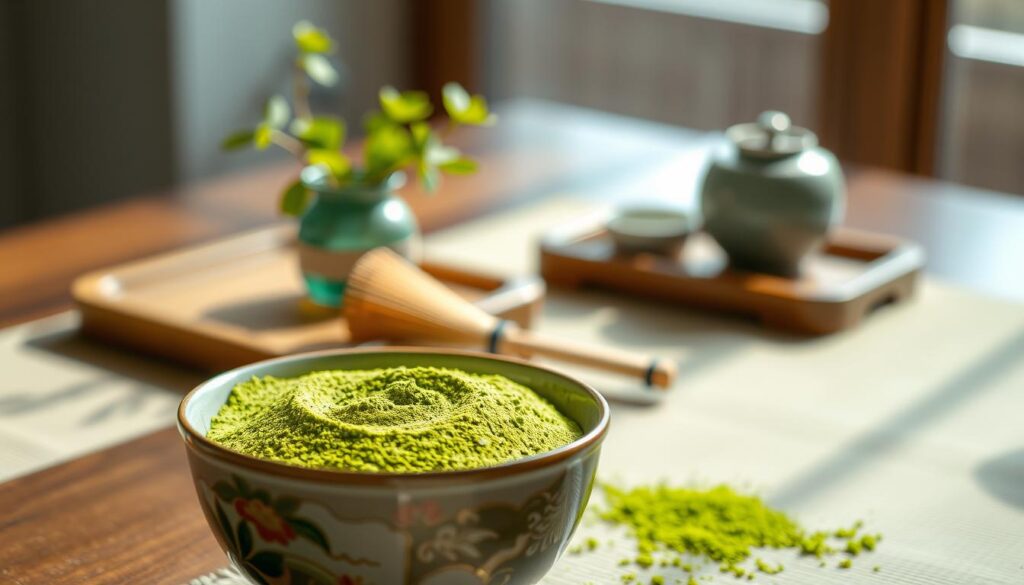
From field to whisk, several steps change the stimulant profile of a cup. Shade-grown leaves shift plant chemistry before harvest and boost both theanine and stimulant levels.
Leaf cultivation and shading
Shading increases chlorophyll and amino acids. That makes matcha tea darker and more potent than many brewed green tea cups because you ingest the whole leaf powder.
Quality differences
Ceremonial grade tends to be brighter, sweeter, and fresher. Culinary grade often uses older leaves and can taste stronger or more bitter. Color and aroma are quick quality signals that often link to stimulant variability.
Preparation variables
Key controls are grams of matcha powder, powder-to-water ratio, and cup style (thin usucha or thick koicha). Use about 1–2 g per serving for a typical dose.
Keep hot water near 175°F or lower to protect flavor. Sifting and whisking improve texture and can change how fast you drink the cup, which affects perceived stimulant impact.
- Dial down: use fewer grams or a larger cup of water.
- Dial up: add grams or make a richer, smaller serving for a stronger feel.
| Factor | Typical change | Practical tip |
|---|---|---|
| Shade-grown leaves | Higher stimulant and theanine | Choose labeled shade-grown for fuller profile |
| Grade / quality | Color, sweetness, strength vary | Select ceremonial for smoother taste |
| Prep (grams & temp) | Directly alters stimulant per cup | Use 1–2 g and ≤175°F to balance flavor |
What changes caffeine in coffee drinks
Coffee drinks range from tiny espresso shots to large café mugs, and that range drives wide differences in stimulant totals.
Drip, espresso shots, and instant
Drip brew often lands near 70–140 mg per 8 oz. A single espresso shot is about 63 mg; a double reaches roughly 125 mg. Instant cups typically sit between 30–90 mg.
Brew method and extraction
Grind size, contact time, water temperature, and coffee-to-water ratio change extraction. Finer grind and longer contact raise the caffeine per serving.
Serving-size reality check
Many home mugs are 10–14 oz. Café sizes can be 12–20 oz or more. That means a “cup coffee” order can quietly equal 1.5–2.5 standard servings.
- Espresso feels strong because it’s concentrated and sipped quickly; multiples stack fast.
- Milk-based drinks like a latte don’t cut stimulant; they dilute it and can alter how fast people drink it.
- For consistency, count espresso shots or measure ounces of drip rather than rely on the word “cup.”
| Type | Typical serving | Approx. range (mg) |
|---|---|---|
| Drip | 8 oz | 70–140 |
| Espresso | 1 oz shot | ~63 (double ~125) |
| Instant | 8 oz | 30–90 |
How to choose the right drink for your day
Match your beverage to the task: steady focus needs a different cup than a quick wake‑up. Below are practical choices you can use today, with timing and simple swaps that preserve ritual while managing total intake.
Best for steady energy: drinking matcha in the morning or afternoon
Choose matcha for a smoother energy curve. Theanine helps the stimulant produce calm focus that lasts through long tasks.
Try a morning cup or early afternoon serving when you want sustained concentration without feeling wired.
Best for fast impact: coffee timing for quick alertness
Pick coffee when you need an immediate energy boost, like before a meeting or a commute. The onset is faster and more intense.
Have a single cup earlier in the day and avoid late‑day servings to protect sleep.
If you’re sensitive: reduce side effects without losing your ritual
Smaller servings, half‑dose recipes, or pairing a drink with food cut jitters. A matcha latte with milk can be gentler than a straight brew.
Space drinks by a few hours and count servings to stay under your personal limit.
Matcha coffee and hybrid habits: alternating for performance and mood
Alternate based on workload: coffee for quick alertness, matcha for deep work. Many people do coffee in the morning and matcha later for steady focus.
Try a matcha coffee routine on alternate days, or combine a light latte and a small powder cup to balance taste and effects.
| Goal | Best option | Timing tip |
|---|---|---|
| Quick alertness | Coffee | Early morning or before meetings |
| Sustained focus | Matcha | Mid-morning or early afternoon |
| Sensitivity control | Matcha latte / half-caff | Smaller servings; with food |
Managing caffeine intake safely with matcha and coffee
Knowing your total daily stimulant load makes it easier to enjoy both matcha and coffee without surprise side effects.
FDA guidance for healthy adults and simple tracking
The FDA suggests up to 400 mg per day for most healthy adults. Use that as a ceiling, not a goal.
Track intake by counting espresso shots, noting ounces of drip, and measuring grams of powder per serving. A typical cup matcha made with ~2 g sits near 64–70 mg per serving; standard cup coffee varies by size.
Pregnancy guidance and smarter swaps
ACOG recommends 200 mg or less per day during pregnancy. Include all sources—tea, soda, chocolate, and preworkout—in your total.
Servings per day and decaf options
With a ~64 mg cup matcha, two to four servings may fit under common limits depending on other drinks. If you need less, try smaller servings or decaf choices.
- Choose decaf or lower-content instant blends.
- Use half-doses, larger cups of water, or a decaf alternative to keep ritual without the peak.
| Goal | Practical tip | Example serving |
|---|---|---|
| Stay under 400 mg/day | Count shots and grams | ~6 espresso shots or ~6 cup matcha (varies) |
| Pregnancy limit | Keep ≤200 mg/day | ~3 cup matcha (with no other sources) |
| Reduce side effects | Space drinks; eat with drink | Smaller serving or decaf |
Your next cup, chosen with confidence
Pick a cup that matches your day’s needs, not a label. Matcha and coffee can be closer on stimulant totals than you think, though typical U.S. servings often leave coffee higher.
Measure by grams, ounces, or shots for a clear view of content. Weigh powder, count espresso shots, or note cup ounces rather than trusting vague names.
If you want to step down, tea and green tea offer lower options that keep ritual without a big drop in alertness.
Quick checklist: need speed or steady focus, sensitivity, time of day, and daily limits. Choose your serving, enjoy the ritual, and adjust the next day.
For a handy comparison snapshot, see this reference.